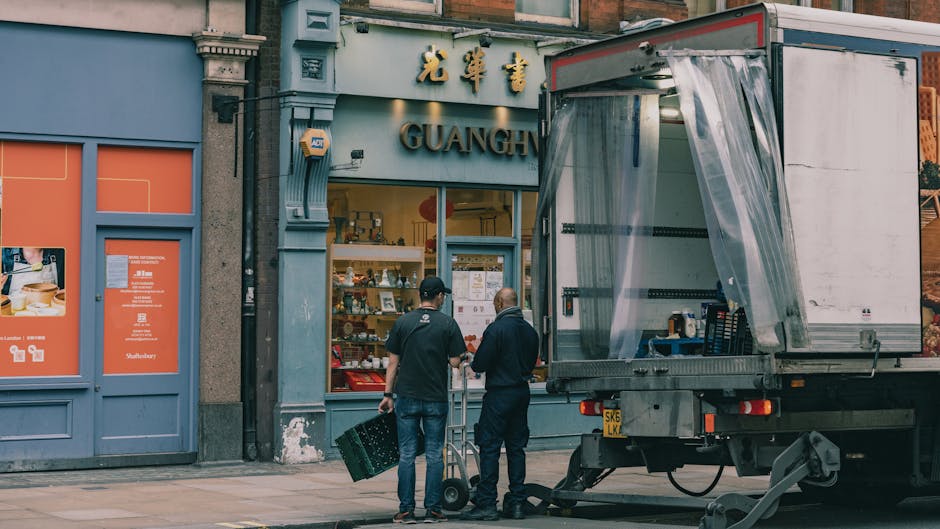
Brick Lane shop relocation Whitechapel man and van planning tips

Relocating a shop around Brick Lane and Whitechapel sounds straightforward right up until you start dealing with narrow streets, busy footfall, awkward loading spots, fragile stock, and that one counter that somehow weighs more than it should. If you are planning a Brick Lane shop relocation Whitechapel man and van planning tips project, the difference between a calm move and a chaotic one usually comes down to planning, timing, and choosing the right vehicle size for the job.
This guide breaks the process down in plain English. You will find practical steps for preparing your stock, protecting fixtures, reducing downtime, and making better decisions about a man and van move in East London. It is written for shop owners, managers, and anyone who has to make the move happen without the whole thing turning into a last-minute scramble. And yes, the little details matter more than people think.
Quick expert summary: The best shop relocation plans in Brick Lane are built around access, time windows, packing discipline, and clear communication. Get those four things right and the move becomes a lot less stressful.
Why Brick Lane shop relocation Whitechapel man and van planning tips matters
Brick Lane is lively, dense, and busy in a way that can make a simple move feel like a logistical puzzle. Whitechapel has its own rhythm too: traffic flows change, parking is not always friendly, and loading in the wrong place for ten minutes can throw off an entire schedule. For a retail move, those are not minor details. They affect stock safety, staff time, and how quickly you can reopen.
A shop relocation is different from a house move. You are not just moving boxes. You are dealing with display units, tills, shelving, signage, point-of-sale kit, stock, and sometimes specialist items that need careful handling. If you move a shop without a proper plan, you can end up with broken fittings, misplaced inventory, or a day of lost trade that stings more than expected.
There is also the customer-facing side. A shop that closes for a move needs to reopen looking tidy and ready, not like a half-finished storage room with cables everywhere. If you handle the planning properly, your reopening feels intentional. If not, it feels messy. And customers notice that. They really do.
In practice, good planning helps you:
- reduce downtime and avoid unnecessary closed hours
- protect stock, fixtures, and electrical equipment
- make better use of a man and van or removal van
- avoid rush-packing and last-minute hiring decisions
- keep staff calmer and more organised on the day
For a local business, that calm can be worth a lot. Not flashy, just useful.
How Brick Lane shop relocation Whitechapel man and van planning tips works
A successful retail move normally follows a simple structure: assess what is moving, decide what needs specialist care, plan access, book the right vehicle, pack and label in a controlled way, then move in stages if necessary. It sounds obvious, but many people still try to do too much on the day itself. That is where things wobble.
The man and van approach works well for many smaller and medium-sized shop relocations because it is flexible. You are not committing to a huge truck if the move only needs a few careful trips. That matters around Brick Lane, where a smaller vehicle can be easier to position and quicker to load. In some cases, a larger van or even a moving truck may be better if you have bulky furniture, heavier fixtures, or a bigger stock transfer.
Here is how the flow usually looks:
- Survey the move - list fixtures, stock, equipment, and fragile items.
- Measure access - check door widths, stairs, turns, lift access, and loading space.
- Choose the move style - one van load, multiple trips, or a staged transfer.
- Pack by category - stock, tools, till gear, display items, and signage should not get mixed.
- Label everything clearly - room, shelf, and priority level.
- Move the essentials first - cash handling kit, tech, and opening-day stock.
- Rebuild and test - check power, terminals, and displays before reopening.
Some shops can manage the process with a straightforward man and van service. Others need a wider support package that includes packing and boxes or even packing and unpacking services if time is tight. The right choice depends on how much you have, how delicate it is, and how soon you need to trade again.
Key benefits and practical advantages
A well-planned shop move is not just about avoiding problems. It can actually improve the way you reopen. That might sound a bit optimistic, but it is true. When stock is packed properly and fixtures are staged in the right order, your new space gets set up faster and with less guesswork.
Some of the main advantages include:
- Better control of stock - labelled boxes reduce lost or duplicated items.
- Lower breakage risk - fragile stock, glass, and electronics are easier to protect when separated properly.
- Less business disruption - shorter downtime means less revenue lost to closure.
- More efficient labour use - staff can focus on reopening rather than hunting through random boxes.
- Improved access planning - the right van size and route planning reduce delays.
There is a subtle but important benefit too: confidence. When everyone knows what is happening, the move feels under control. That matters in a retail setting where one missing payment terminal or one misplaced rack can throw off the whole morning.
If you are moving stock-heavy retail premises, it can also be sensible to look at removal services rather than trying to improvise with a friend's van. A decent provider will understand loading order, protective wrapping, and the little awkward bits that make or break the day. For larger or more formal business moves, commercial moves and office removals can offer a better fit than a basic one-off transport job.
Who this is for and when it makes sense
This topic is most useful if you run a small shop, pop-up retail unit, salon-style retail counter, gallery shop, takeaway retail front, or independent boutique near Brick Lane or Whitechapel. It also fits business owners who are moving from one compact unit to another, or from a temporary space into a more permanent location.
You will find this especially relevant if:
- your shop has limited stock but valuable fixtures
- you need to reopen quickly after the move
- you are working around busy street access or narrow loading space
- you have mixed items, from clothing rails to electrical kit
- you want a cost-conscious move without hiring a full removals team
It also makes sense when you have to move in stages. For example, you may relocate stock first, then fixtures, then signage, then the front-of-house items. That kind of staged approach is common for small businesses because it keeps risk down. You can still keep trading in a limited way if the schedule is planned properly.
And if you are a landlord or manager overseeing a tenant move, clear planning matters even more. The faster the unit is turned over, the better for everyone involved. No one enjoys a last-minute chase for keys, by the way.
Step-by-step guidance
Below is a practical way to plan a Brick Lane or Whitechapel shop relocation without missing the important bits. It is not fancy. It just works.
1. Start with a room-by-room inventory
List everything that needs to move. Break it down into stock, display furniture, signage, technology, consumables, cleaning supplies, and fragile items. Add notes for what can be boxed together and what must travel separately. If you do this early, the move gets easier almost immediately.
2. Separate essentials from non-essentials
Not every item needs to move on the main day. Decide what is required for reopening, what can wait, and what might be stored temporarily. Some businesses use storage between locations if the new unit is not ready or the handover dates do not line up neatly. Truth be told, that can save a lot of stress.
3. Measure access and parking properly
Check entrances, stairways, corridor widths, and whether there is a sensible loading point. In a busy East London area, that step can be more important than the packing itself. A van that is too large, or a route that assumes easy access, can cause delays before the first box is even touched.
4. Choose the vehicle to suit the load
A compact van may suit stock and boxed items. A larger removal van may be better for shelving, rails, and counters. If the load is heavier or more awkward, a bigger transport option may be sensible. The point is not to use the biggest vehicle available. It is to use the one that fits the move cleanly.
5. Pack with an unpacking plan in mind
Pack similar items together and mark boxes by destination, not just by contents. For example: "counter top display," "till area," "back stock Aisle 1," or "window display props." That sounds a bit fussy until you are trying to reopen at 8:00 the next morning and everything is piled in the wrong corner. Then it sounds brilliant.
6. Protect fragile and high-value items
Use padding, wrap, and sturdy boxes for glass, mirrors, lighting, and small electronics. If you have specialist items such as instruments or delicate display equipment, it may be sensible to use specialist help such as piano removals style handling principles even if you are not moving a piano. The idea is the same: careful handling, proper securing, and no rushing.
7. Build a move-day sequence
Move the least essential stock first and the opening-day essentials last. Keep a small "do not bury" kit aside: keys, payment devices, chargers, tape, tools, a marker pen, and any cleaning cloths you will need at the new site. One small box like this can save half an hour of head-scratching. Sometimes more.
8. Reassemble and test before opening
Once everything arrives, set up the critical items first. Check lighting, power, payment terminals, Wi-Fi, and any signage that affects customers finding the entrance or counter. Then place the main stock and final displays. Do a quick walk-through as if you were a customer. You will spot small things that are easy to miss when you are tired.
Expert tips for better results
Most move problems do not come from the obvious stuff. They come from the little things people decide to ignore. To be fair, everyone does it once in a while. Here are the details worth getting right.
- Use colour coding for different zones or departments. It is quicker than reading labels on the day.
- Photograph shelf layouts before dismantling anything. Those pictures are gold when rebuilding.
- Keep paperwork together if you have delivery notes, keys, access codes, or handover forms.
- Wrap fixtures in the order they come apart so reassembly is obvious later.
- Schedule the move outside peak footfall where possible. Early mornings or quieter midweek slots are often easier.
- Ask about loading and unloading help if you have heavy counters, mirrors, or awkward stair access.
One thing that experienced movers often say is simple: don't let the van become the sorting room. If every item is being decided on the pavement, you have already lost time. Decide before loading. Your future self will thank you, probably while standing in a half-open shop with a screwdriver in hand.
It can also help to work with a provider that understands protection, handling, and safe lifting. Reading up on a company's health and safety approach and insurance and safety information is not just admin. It tells you how seriously they treat your stock and premises.
Common mistakes to avoid
Shop relocations go wrong for predictable reasons. The good news? Predictable mistakes are easier to prevent than surprise problems.
- Leaving packing until the final day - this creates rushed decisions and poor labelling.
- Underestimating access problems - a van may be close enough on a map but useless in real life.
- Mixing stock with fixtures - the result is slower unpacking and a greater chance of damage.
- Forgetting opening-day essentials - payment devices, key stock, and signage should never be buried.
- Booking too little vehicle space - then you are scrambling for a second run, which is never ideal.
- Ignoring waste and unwanted items - broken shelving and redundant furniture slow the move down.
There is one more mistake that crops up often: assuming every move needs the same setup. A compact boutique with 40 rails of clothing is not the same as a shop with fitted counters and display cabinets. Neither is a flat above a retail unit. Different loads need different solutions. Simple, but easy to forget in the rush.
Tools, resources and recommendations
You do not need a mountain of specialist gear to manage a shop relocation properly. You do, however, need the right basics. A little preparation goes a long way.
| Tool or item | Why it helps | Best used for |
|---|---|---|
| Strong cartons | Protects stock and keeps categories together | Merchandise, accessories, POS supplies |
| Bubble wrap and paper | Reduces impact damage during transport | Glass, displays, small electronics |
| Marker pens and labels | Makes loading and unpacking faster | Box coding, shelf labels, priority tags |
| Furniture blankets | Helps prevent scratches and scuffs | Counters, cabinets, rails |
| Tape, cutters, and zip ties | Useful for securing and regrouping items | Bundles, fixtures, loose cables |
| Inventory sheet | Lets you check off items as they move | Anything with value or operational importance |
For shops handling bulky furniture or removing old pieces alongside the move, the pages on furniture removals and furniture pick up may also be useful. That is especially true if you are trying to clear old stockroom items before the new unit opens.
If you are comparing providers, look at whether they offer practical support for removal services, flexible timing, and clear communication. For many small business owners, pricing and quotes is where the decision becomes real, because the cheaper option is not always cheaper once you factor in time, stress, and extra trips. The shiny bargain sometimes bites back.
Law, compliance, standards, or best practice
Shop relocations can involve several areas of UK best practice, even if they are not heavily regulated in the same way as some industries. You should still handle them carefully and sensibly.
At a basic level, business owners should think about:
- health and safety when lifting, loading, and moving heavy items
- insurance for goods in transit and handling risks
- data and cash security for payment devices, customer records, and tills
- waste handling if old fixtures, packaging, or broken items are being removed
- access and parking etiquette so the move does not block neighbours or disrupt traffic more than necessary
It is wise to read the operator's terms and conditions so you understand what is included, what is excluded, and what happens if timings change. You may also want to check the company's payment and security information if card payments or deposits are involved.
If the relocation includes a lot of offcuts, packaging, old fittings, or unwanted shop furniture, responsible disposal matters too. A service with a clear recycling and sustainability approach can help reduce waste, which is a nice bonus when you are already juggling enough.
Best practice, in short, is to keep the move organised, documented, insured, and realistic. That is the unglamorous version. It is also the one that usually works.
Options, methods, or comparison table
Not every shop relocation needs the same setup. The table below gives a simple comparison of common approaches. It is not about choosing the fanciest option; it is about choosing the one that fits your move.
| Move option | Best for | Strengths | Trade-offs |
|---|---|---|---|
| Man and van | Small to medium retail loads, flexible moves | Good for tighter streets, cost-conscious, adaptable | May need more planning for multiple loads |
| Removal van | Moderate stock, furniture, fixtures | More space, good balance of capacity and access | Can be awkward in very tight loading areas |
| Moving truck | Larger stores or heavier mixed contents | High capacity, fewer journeys | Less flexible on narrow streets and access points |
| Staged move with storage | When handover dates do not line up | Reduces pressure, helps with phased reopening | Requires extra coordination and another handling step |
If your shop move is part of a wider business relocation, you may find office relocation services useful too, especially where staff equipment and admin items are moving alongside retail stock. And if the relocation is especially time-sensitive, same day removals can be worth considering, though they work best when the packing is already under control.
Case study or real-world example
Here is a realistic example. A small independent boutique near Brick Lane needed to move into a slightly larger unit a short distance away in Whitechapel. The stock was light but the fittings were awkward: rails, mirrors, window displays, a till station, and a few delicate lighting pieces. Nothing enormous, but enough to cause problems if handled badly.
Instead of treating it as a single pile of items, the team split the move into three groups:
- Group 1: opening-day essentials, payment kit, and core stock
- Group 2: display furniture and fixed-style fittings
- Group 3: decorative items, backup stock, and anything not urgently needed
They took photos of the old layout, labelled each box with its destination, and moved the most fragile items separately. The van loaded quickly because nothing was being argued over at the kerbside. There was a point, around 7:30 in the morning, where everyone was a bit too quiet and tired, but that is normal. By lunchtime the essential area was assembled and the shop was nearly ready to trade.
The real lesson was not that the move was complex. It was that the move was structured. The team had a clear sequence, the right vehicle, and a fallback plan for items that could wait. That is what saves time.
If the boutique had tried to move everything in one go without labels or a loading order, the day would have been very different. Honestly, likely messy. Very messy.
Practical checklist
Use this checklist as your quick pre-move final sweep. It is the sort of list that catches what memory misses.
- Complete a full inventory of stock, fixtures, and equipment
- Measure access points at both locations
- Confirm parking or loading arrangements
- Choose the right size vehicle for the load
- Separate opening-day essentials from non-essentials
- Label every box clearly by destination and priority
- Pack fragile items with extra protection
- Photograph shelf layouts, displays, and cable connections
- Check insurance, terms, and safety information
- Prepare tools for reassembly and setup
- Plan for waste, old furniture, or items going into storage
- Test power, card machines, and lighting before reopening
That last step is easy to overlook. Then you arrive, the kettle is on, customers are outside, and suddenly no one can find the adapter. It happens.
Get a free quote today and see how much you can save.
Conclusion
A Brick Lane or Whitechapel shop relocation is really a planning exercise disguised as a moving day. The more thought you put into access, packing, vehicle choice, and reopening order, the easier the whole job becomes. A good man and van setup is not just about transport; it is about getting the right items to the right place in the right condition, without draining your team or losing a day you cannot afford to lose.
If you keep the move simple, well labelled, and paced sensibly, you give your business a much better chance of reopening smoothly. That is the goal, after all. Not perfection. Just a clean, calm move and a shop that feels ready again.
Frequently Asked Questions
What is the best way to plan a shop relocation in Brick Lane?
Start with an inventory, then measure access at both sites, choose the right vehicle, and pack by priority. For Brick Lane especially, planning around loading space and street access makes a huge difference.
Is a man and van suitable for a retail move?
Yes, often it is. A man and van works well for smaller or medium shop relocations, especially when access is tight and you need flexibility. For larger loads, a removal van or moving truck may be better.
How far in advance should I book a shop move?
As early as you reasonably can. If your move is date-sensitive, book once you know your handover or opening timeline. That gives you more choice on timing and reduces the risk of rushed decisions.
What should I move first in a shop relocation?
Move the essentials first in terms of planning, but keep them last in the actual loading order so they are easiest to unload and set up. Think payment equipment, key stock, and anything needed to trade on day one.
Do I need packing services for a shop move?
Not always, but packing help can be very useful if you have fragile stock, lots of small items, or limited staff time. Packing and unpacking services can reduce stress and speed up setup.
How do I avoid damage to shop fixtures?
Protect fixtures with blankets, wrap, and proper handling. Photograph them before dismantling, label parts clearly, and keep screws or fittings in sealed bags attached to the matching item.
What if my new shop is not ready on move day?
That is where staged moves and temporary storage can help. It gives you breathing room instead of forcing everything into a rushed and awkward handover.
Can I relocate a shop outside normal trading hours?
Often, yes. Early mornings or quieter periods can make the move smoother because there is less foot traffic and less pressure on loading space. Always plan around your access arrangements.
What type of vehicle is best for a small shop move?
For many small shops, a removal van or flexible man and van setup is enough. The best choice depends on your stock volume, fixture size, and how easy the access is at both locations.
Should I clear out unwanted stock before moving?
Absolutely. Moving items you do not need only adds cost and clutter. If you have old furniture or fittings, furniture removals or responsible disposal planning can make the process much cleaner.
What safety checks should I ask about before booking?
Ask about lifting practices, insurance, and how items are protected in transit. It is sensible to review health and safety and insurance and safety information before you commit.
How can I get the move done with minimal downtime?
Break the relocation into stages, label everything properly, and move essentials in a clear sequence. The less sorting you do on the day, the faster you can reopen. That's the real trick, if you ask me.
Where should I go next if I want a retail or business move handled properly?
Look for a provider that understands commercial moving, gives clear pricing, and can handle practical issues like access and timing. Relevant pages such as commercial moves, pricing and quotes, and contact us can help you take the next step when you are ready.