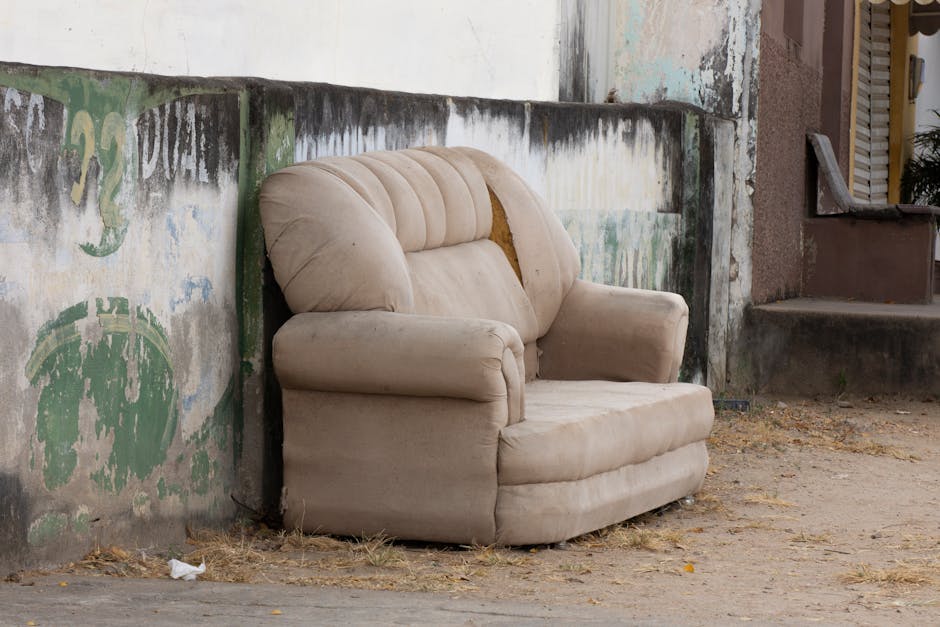
Safe disposal rules for Whitechapel sofa and appliance removals
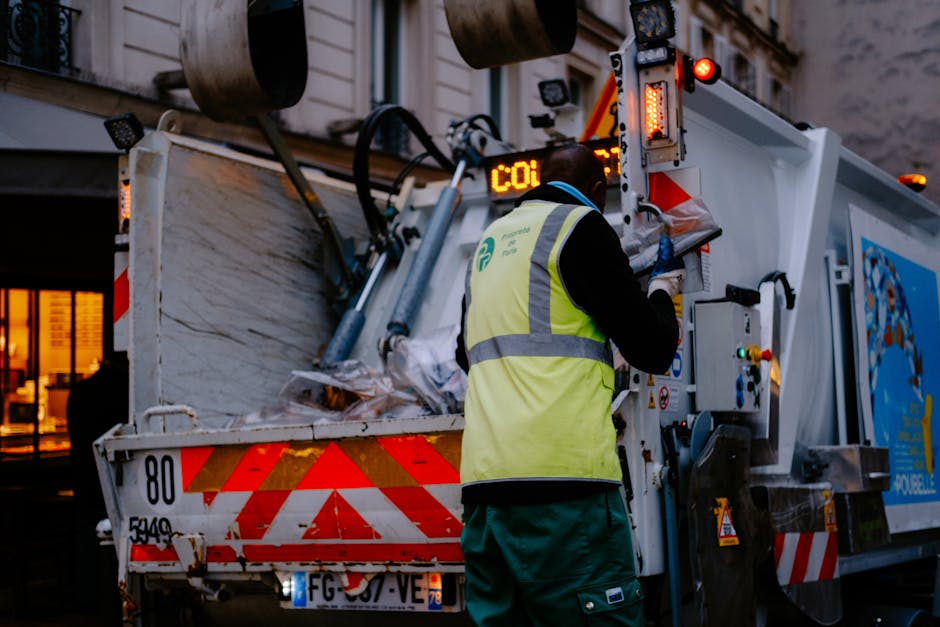
If you are clearing out a heavy sofa, replacing a broken fridge, or getting rid of an old washing machine, the job sounds simple right up until the moment you try to move it. Then reality kicks in: tight stairwells, awkward corners, residual water, loose glass shelves, and the quiet worry that you might dispose of something the wrong way. Safe disposal rules for Whitechapel sofa and appliance removals are there to stop exactly that kind of mess.
In Whitechapel, where flats, shared houses, and older buildings often mean narrow access and limited storage space, safe removal is not just about lifting carefully. It is about separating reusable items from waste, keeping people protected, and using the right route for bulky furniture and electrical appliances. This guide walks through the practical rules, the common pitfalls, and the best way to handle sofa and appliance disposal without turning it into a stressful weekend project.
To make it easier to skim, here is a simple guide to what follows.
Why Safe disposal rules for Whitechapel sofa and appliance removals Matters
Safe disposal matters because sofas and appliances are not ordinary rubbish. They are bulky, heavy, and often made from mixed materials that need different handling. A sofa may contain timber, foam, fabric, springs, and sometimes fixed feet that can scratch floors or trip someone if they come loose. Appliances can be even trickier. They may hold electrical components, sharp edges, trapped moisture, or in the case of some fridge freezers, gases and insulation materials that should not be treated casually.
There is also the local reality. Whitechapel homes often come with shared entrances, busy streets, permit concerns, and limited parking. A badly planned disposal can block neighbours, damage hallways, or create avoidable lifting risks. Nobody wants a late-evening argument on the landing because a sofa got wedged halfway down the stairs. It happens more often than people admit.
Then there is the environmental side. Many sofas and appliances can be reused, repaired, or broken down for recycling, but only if they are sent to the right place. Responsible disposal reduces landfill use and supports better material recovery. If sustainability matters to you, the service page on recycling and sustainability is a helpful place to understand that wider approach.
Expert summary: the safest disposal route is rarely the easiest-looking one. The best outcome usually comes from a short plan: check the item, prepare it properly, choose the right collection method, and make sure it is handled by people who know how to move bulky goods without drama.
How Safe disposal rules for Whitechapel sofa and appliance removals Works
At a practical level, safe disposal follows a few predictable steps. First, the item is identified. A sofa, for example, is checked for size, condition, and access issues. An appliance is checked for type, whether it still contains water or power connections, and whether it needs any preparation before lifting. That sounds basic, but it prevents a lot of problems later.
Next comes sorting. Reusable furniture may be suitable for collection and redistribution, while damaged or unsafe items may need disposal or recycling. Electrical items are usually handled with extra care because they can contain components that should not be thrown out with household waste. If an appliance still works, it may be better to pass it on, but if it is faulty, leaking, or damaged, it is safer to treat it as disposal rather than reuse. Truth be told, a fridge that smells odd is rarely a candidate for a second life.
Then comes handling. This is where experience matters. Safe lifting techniques, protective equipment, proper trolleys, and a suitable vehicle all reduce risk. If the item is large or awkward, you may need more than one person and a van with enough room to secure it. Services like removal van, removal services, and man and van are commonly used for this kind of job because they offer a practical middle ground: flexible, direct, and suited to bulky loads.
Finally, the item is delivered to the appropriate destination. That could be a reuse route, a recycling centre, or a licensed waste-handling process depending on condition and material. The important thing is that the item does not simply vanish into the back of a van with no clear plan. If someone says, "don't worry, mate, I'll sort it," you should still ask where exactly it is going. Sensible question.
Key Benefits and Practical Advantages
Safe disposal is not just about avoiding trouble. It genuinely makes life easier. Here is what good disposal practice gives you.
- Less risk of injury: Sofas and appliances are heavy in awkward ways. Proper handling reduces back strain, trapped fingers, dropped items, and scraped knuckles.
- Cleaner homes and common areas: A planned removal protects walls, stair rails, floors, and doors from avoidable damage.
- More efficient clearance: When items are prepared properly, collection usually goes faster and with fewer delays.
- Better environmental outcomes: Reusable or recyclable materials are more likely to be recovered instead of wasted.
- Less stress: Knowing the item has been dealt with properly removes a lot of mental clutter. Small thing, but it counts.
There is also a practical financial benefit. If the sofa or appliance is easy to assess, you are more likely to get a clear price and fewer surprise add-ons. For many people, that predictability matters more than a flashy promise. If you are comparing options, the page on pricing and quotes can help you think through what affects the final cost.
And yes, there is peace of mind. That is hard to measure but very real. When a bulky item is gone, the room feels larger, quieter, and oddly lighter. You notice it at once.
Who This Is For and When It Makes Sense
This topic is relevant if you are any of the following:
- a tenant clearing a flat before moving out
- a homeowner replacing old furniture or white goods
- a landlord preparing a property for new occupants
- a student leaving a room in a shared property
- a business disposing of worn furniture or old appliances
- someone who simply cannot lift or transport a heavy item safely
It makes sense when the item is too large for a normal car, too awkward for a solo lift, or too risky to leave until the last minute. A sofa with no easy stair access is one of those things people underestimate. So is a washing machine that still has a little trapped water in the hose. The task looks quick, but the details matter.
Whitechapel residents in flats and maisonettes often find these removals especially relevant because shared access can complicate timing and movement. If you are juggling a move as well as disposal, related services such as flat removals, home moves, and student removals can be useful alongside bulky-item clearance.
Commercial clients may also need help with sofas and appliances when furnishing offices, studios, or short-term rental spaces. In those cases, coordinating disposal with commercial moves or office removals can save time and avoid repeated trips. Nobody enjoys doing the same staircase twice.
Step-by-Step Guidance
Here is a practical process you can follow for sofa and appliance disposal in Whitechapel.
- Identify the item clearly. Note the type, size, condition, and whether it has detachable parts. A corner sofa is very different from a two-seater. An oven is very different from a toaster, obvious though that sounds.
- Check access routes. Measure doorways, stair turns, lift size, and any tight hallway corners. If the item needs to be turned on its side, that needs to be planned before anyone starts lifting.
- Prepare the item. Remove cushions, shelves, trays, hoses, cables, and loose parts. If it is an appliance, unplug it early and allow time for it to dry or cool where relevant.
- Decide whether it can be reused. If a sofa is structurally sound or an appliance still works, reuse may be the better option. If it is damaged, unsafe, or unhygienic, disposal is more suitable.
- Choose the right collection method. Some items are best handled through a furniture pickup or a wider removal service. Others may need specialist handling if they are unusually large, heavy, or fragile.
- Protect the property. Use blankets, gloves, and floor protection where needed. In older buildings, narrow entrances and polished stair rails can be surprisingly easy to damage.
- Load securely. The item should not shift around in transit. If a van is used, it should be tied down or positioned so it cannot slide. A rattling appliance in the back of a vehicle is not the vibe anyone wants.
- Send it to the correct destination. Reuse, recycling, or disposal should be chosen based on the item's condition and what it contains.
A small but useful tip: take photographs before the collection, especially if access is awkward or the item has pre-existing marks. It is a simple habit, but it helps everyone stay clear on what was collected and what condition it was in.
Expert Tips for Better Results
After handling enough bulky removals, a few patterns become obvious.
1. Prepare the item the day before. Don't leave unplugging, disassembly, or clearing contents until the van is already outside. That is how jobs become rushed. A little prep makes the whole thing calmer.
2. Treat appliance disposal as a safety task, not just a transport task. A fridge freezer may have trapped moisture. A cooker may still have grease residue. A tumble dryer may have lint build-up. None of that is ideal during lifting.
3. Think about the route out, not just the item itself. The item may fit through the door, but can it make the corner at the top of the stairs? Can it pass the banister? Sometimes the answer is yes in theory and no in real life.
4. Ask how waste is handled. A reputable removal provider should be able to explain whether the item is reused, recycled, or disposed of responsibly. That conversation should feel normal, not awkward.
5. Keep timing realistic. If you need the sofa out before cleaning or an appliance removed before a new delivery arrives, build in a little buffer. Traffic, parking, and access can all add minutes. In Whitechapel, a five-minute delay can become fifteen before you know it.
If you are also planning on packing up a room or a whole property, pages like packing and boxes and packing and unpacking services fit neatly into the same planning mindset. Less chaos, fewer lost screws, fewer "where did I put the plug?" moments.
Common Mistakes to Avoid
Most disposal problems come from a handful of predictable mistakes. Once you know them, they are easy enough to avoid.
- Leaving preparation too late. Appliance removal often takes longer if hoses, water, or power connections are still in place.
- Guessing the size of the item. "It'll fit" is not a measurement. A tape measure is worth its weight in gold on moving day.
- Forgetting about access restrictions. Parking, loading zones, and staircase width matter more than people expect.
- Mixing different disposal types together. Sofas, electricals, and general waste do not always follow the same route.
- Assuming all collection services are the same. Some are better for urgent clearances, others for planned moves or bulk loads.
- Not checking what is included. Does the quote include lifting, loading, and disposal, or only transport? That detail matters.
One of the more annoying mistakes is assuming an item can be left outside for later. In a busy street, that can create safety issues or attract damage before collection even happens. Best not to do that unless the collection plan specifically allows it.
Tools, Resources and Recommendations
You do not need a truckload of equipment to dispose of one sofa or appliance properly, but the right tools help a lot.
- Measuring tape: essential for doors, hallways, stair bends, and the item itself.
- Gloves: useful for grip and for protecting against sharp edges, loose staples, or rough metal parts.
- Moving blankets: help prevent damage to floors, doors, and the item's finish.
- Straps or ties: keep loads secure during transport.
- Trolley or sack truck: handy for heavier appliances, especially when there is a level route.
- Basic screwdrivers or spanners: useful if the item needs minor disassembly before removal.
For most households, the real decision is not about tools. It is about choosing the right level of help. If the item is small enough and access is easy, a straightforward furniture pickup may be enough. If the item is heavy, awkward, or part of a bigger move, a more complete removal service is usually the safer call.
Related services that often pair well with this kind of job include furniture pick up, furniture removals, man with a van, and removals. If you need a larger vehicle or a more flexible moving setup, removal truck hire and moving truck options may be worth considering too.
Law, Compliance, Standards, or Best Practice
For sofa and appliance disposal, the main thing to understand is that you should not simply dump bulky waste wherever it is convenient. Household furniture and electrical items need to be dealt with responsibly, and anyone handling them should follow safe waste and transport practices. In the UK, that usually means using reputable services, avoiding fly-tipping, and making sure items are handled in a way that protects people and the environment.
In practical terms, good compliance means a few common-sense things:
- items are not abandoned in communal areas or on pavements without a proper collection plan
- electrical items are treated carefully and not mixed thoughtlessly with general rubbish
- heavy lifting is done with the right number of people and suitable equipment
- vehicles are loaded securely so items do not move in transit
- customers are given clear expectations about what will happen to the item
It is also sensible to work with providers who can explain their own health and safety approach. If you want to see how that kind of policy is framed, the page on health and safety policy is relevant. Likewise, if you want reassurance around cover and handling standards, insurance and safety gives useful context.
For broader service expectations and terms, it helps to review terms and conditions and the company's approach to about us. That may sound a bit formal, but in reality it just gives you a clearer sense of how the job is managed. Good planning beats crossed fingers every time.
Options, Methods, or Comparison Table
Different disposal methods suit different situations. The "best" option depends on condition, urgency, access, and whether the item can be reused.
| Method | Best for | Pros | Trade-offs |
|---|---|---|---|
| Reuse or donation route | Clean, working sofas or appliances | Often the most sustainable; keeps usable items in circulation | Not suitable if the item is damaged, unsafe, or heavily worn |
| Specialist furniture pickup | Single sofas, chairs, and similar bulky furniture | Convenient, direct, and usually faster than arranging a larger move | May not suit mixed loads or items needing disassembly |
| Removal service with van | One or more bulky items, including mixed household loads | Flexible and practical for stairs, parking, and combined jobs | May be more than you need for a single small item |
| Full removal or moving truck | Larger clearances, multiple items, or move-day disposal | Good for bigger access challenges and heavier loads | Usually best value when there is enough volume to justify it |
| Same-day collection | Urgent clearances and last-minute changes | Fast response and less disruption | Availability can be tighter, so timing matters |
If your job is urgent, same-day help can be the difference between a clean handover and a very awkward evening. The page on same day removals is useful if speed is a major concern. For people who need somewhere to store items while deciding what stays and what goes, storage may also be part of the solution.
Case Study or Real-World Example
Picture a common Whitechapel scenario. A couple in a top-floor flat has bought a new sofa and fridge freezer, both arriving on the same week. Their old sofa has a worn arm and the old appliance no longer chills properly. The hallway is narrow, the stairwell has a turn halfway down, and there is no lift. Not exactly a fun afternoon.
They start by measuring the route from living room to street level. The sofa legs are removed, loose cushions are taken out, and the old fridge is emptied and unplugged well ahead of time. The collection is arranged around parking availability, because in a busy part of London, that can be the detail that makes or breaks the plan. The team brings protective blankets and uses two-person lifting for the sofa, then secures the appliance upright for transport.
What made the job smooth was not luck. It was planning. The sofa was handled as furniture, the fridge as an appliance, and both were treated according to their risks. No damaged paintwork. No rush. No "we'll just drag it a bit." That last one is how you end up with scuffed skirting boards and sighing neighbours.
In practice, that is what safe disposal rules are for: keeping the job calm, protecting the building, and making sure each item goes where it should. Simple idea. Big difference.
Practical Checklist
Use this checklist before any sofa or appliance removal.
- Confirm exactly what needs to go
- Measure the item and the access route
- Clear cushions, cables, hoses, shelves, and loose parts
- Unplug appliances early and allow time for drying or cooling
- Decide whether the item can be reused, recycled, or should be disposed of
- Check parking, access, and timing for collection
- Protect walls, floors, and door frames where needed
- Make sure the item is loaded securely
- Ask where the item will be taken
- Keep the path clear for a safe lift-out
Quick reminder: if there is any doubt about weight, access, or safe handling, pause and get help. It is always better to ask than to force a heavy item through a doorway that was clearly not designed with modern sofa dimensions in mind.
Conclusion
Safe disposal rules for Whitechapel sofa and appliance removals are really about three things: safety, responsibility, and practicality. Once you know how the item should be prepared, how access should be managed, and where it should go, the whole process becomes much easier to handle. That applies whether you are clearing one old armchair or emptying a whole flat before a move.
If you want the job to feel straightforward rather than stressful, choose a removal method that matches the item, the access, and your timeline. A little planning goes a long way, especially in Whitechapel where space can be tight and timing matters. And honestly, that calm feeling when the heavy thing is finally gone? Worth it.
Get a free quote today and see how much you can save.
Frequently Asked Questions
Can I leave a sofa outside for collection in Whitechapel?
Only if the collection plan clearly allows it. Leaving bulky furniture on a pavement or in a communal area without a proper arrangement can create safety issues, block access, and cause unnecessary problems with neighbours or building management.
Do appliances need to be unplugged before removal?
Yes, they should be unplugged in advance. For some appliances, such as fridges or washing machines, you may also need to allow time for water to drain or for the unit to dry. That makes handling safer and cleaner.
What is the safest way to dispose of a broken washing machine?
The safest way is to disconnect it properly, make sure any remaining water is drained, and arrange removal through a service that handles heavy appliances securely. It is not something to drag down stairs in a rush, especially in a narrow building.
Can old sofas be recycled or reused?
Sometimes, yes. If the sofa is in decent condition, reuse may be possible. If it is damaged beyond practical repair, it may still be broken down for material recovery depending on the disposal route chosen.
Is it better to book a furniture pickup or a full removal service?
If you are only disposing of one or two items and access is straightforward, a furniture pickup may be enough. If you have mixed items, tight access, or several bulky pieces, a fuller removal service is often the better fit.
How do I know if my appliance is ready for collection?
It is ready when it is unplugged, emptied, and safely prepared for lifting. For some appliances, that also means removing hoses, securing doors, or waiting until moving parts are cool or dry.
What should I ask before booking disposal help?
Ask what is included, how the item will be handled, whether lifting is covered, and where the item is likely to go. Those questions are simple, but they prevent misunderstandings later.
Are same-day sofa and appliance removals possible?
Often they are, depending on availability and access. If you need something gone quickly because of a move or delivery window, same-day removal can be very useful. It is worth checking early rather than leaving it to the last minute.
What are the biggest safety risks with bulky item disposal?
The biggest risks are poor lifting technique, tight stairwells, awkward turns, hidden weight, and items that still contain water or loose internal parts. A careful plan reduces all of those risks at once.
Can I combine sofa removal with other household items?
Yes, and that often makes the job more efficient. Many people combine a sofa with a mattress, white goods, or a few boxes of unwanted items. Just make sure everything is listed clearly before collection.
What happens if my sofa is too large for the stairs?
Then it may need to be rotated, partially disassembled, or removed by a team with the right equipment and experience. This is one of the main reasons people use professional removal help instead of trying to force the issue.
Where can I find more information about the company's approach to safety and handling?
You can review the site's health and safety policy, insurance and safety, and contact us pages for more reassurance and next-step information.