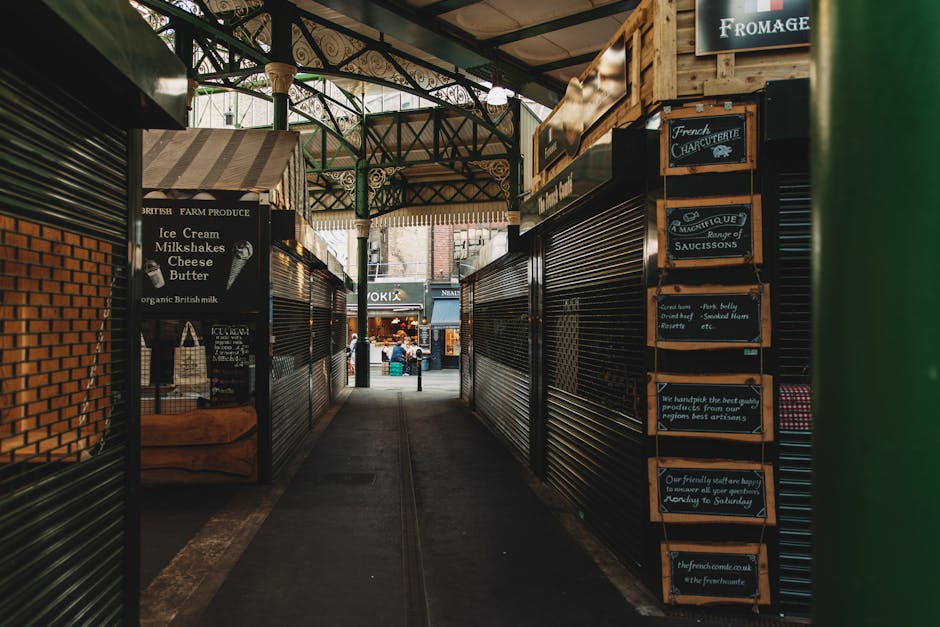
Spitalfields Market Whitechapel removals tips: a practical guide for moving in busy E1
Moving near Spitalfields Market or across Whitechapel can feel simple on paper and a bit chaotic in real life. Narrow streets, market-day footfall, loading restrictions, awkward stairwells, and the usual London "where on earth do we park?" moment can turn a straightforward job into a small logistical puzzle. That is exactly why Spitalfields Market Whitechapel removals tips matter: they help you plan the move properly, avoid costly delays, and keep the whole thing calmer than it might otherwise be.
Whether you are shifting a flat, moving a small office, collecting furniture, or coordinating a same-day move, the best results usually come from preparation rather than brute force. A good plan saves time. It also saves backache, stress, and those slightly embarrassing moments when the van arrives and nobody can find the lift key. Let's make it easier.
Why Spitalfields Market Whitechapel removals tips Matters
Whitechapel and the streets around Spitalfields sit in one of London's busiest, most mixed-use pockets. You have residential blocks, older terraces, office spaces, market traffic, traders setting up early, and a constant flow of pedestrians. That environment changes how removals work. A van may not be able to stop where you want. A lift may be shared. A loading bay may already be in use. Even a well-planned move can unravel if the route, timing, or access is wrong.
That is the real reason these tips are useful. They are not just about lifting and loading. They are about making the job fit the area. In practice, that means thinking about parking, timing, access points, packing order, building rules, and whether you need a smaller vehicle or extra hands. Get those pieces right, and the move usually feels much more manageable. Get them wrong, and everything takes longer than it should.
There is also a money angle. Delays in central and East London can stack up quickly. If a crew has to wait while you sort keys, move items from a back entrance, or hunt for parking, the whole schedule can slip. Nobody wants that. A bit of planning up front protects both your budget and your nerves.
How Spitalfields Market Whitechapel removals tips Works
In simple terms, a good removals plan for this area starts with the location itself. The area around Spitalfields Market is lively and compact, and Whitechapel has a mix of older properties and newer developments. That means access often matters more than distance. A move that would be easy in a suburban street can become fiddly here because the van cannot just pull up and sit there.
The process normally works like this:
- Assess the property and access. Check floors, lifts, staircases, entrances, parking, and any loading restrictions.
- List what is moving. Break items into furniture, boxes, fragile items, appliances, and anything unusually heavy or awkward.
- Choose the right move type. A man and van, full removals team, or same-day service may suit different situations.
- Pack in a load-friendly order. Heavy items first, fragile items protected, and essentials kept easy to reach.
- Time the move sensibly. Avoid predictable congestion where possible, and leave room for building access delays.
- Confirm disposal, storage, or reassembly needs. Some moves are not really one move; they are three jobs wearing one coat.
That last point is worth slowing down on. A flat move might also need dismantling, short-term storage, or old furniture removal. A small office move might involve desk relocation, IT equipment, and compliance around building access. Once you see the move as a sequence rather than a single event, planning gets much easier.
To be fair, that is where a lot of people breathe out a bit. The job stops feeling like a mystery and starts looking like a list.
Key Benefits and Practical Advantages
The best removals tips are not just about avoiding problems. They also create very practical benefits that you notice on the day itself.
- Smoother loading and unloading. If the crew can get close to the entrance, everything moves faster and safer.
- Lower risk of damage. Proper packing and route planning reduce knocks, scrapes, and "how did that happen?" moments.
- Better time control. Good planning helps you avoid unnecessary delays, especially in busy streets.
- Less physical strain. You are less likely to be carrying too much, too far, or in a rushed, awkward way.
- Clearer decisions. You know whether you need packing help, a removal van, storage, or a larger team.
- More confidence on moving day. And honestly, that counts for a lot.
There is another advantage people sometimes overlook: peace of mind for neighbours, building managers, or business neighbours. If a move is tidy, well timed, and properly organised, everyone around you feels the difference. No blocked entrance. No endless door propping. No irritated glances from people trying to get past with shopping bags or a buggy.
Expert summary: In an area like Whitechapel, the best removals plan is usually the one that respects access first, packing second, and timing third. That order sounds boring, but it works.
Who This Is For and When It Makes Sense
These tips are useful if you are moving within or near E1 and need the job to be efficient rather than stressful. That could mean a one-bedroom flat near the market, a family house move, a studio with a tight staircase, or a small business relocation where every hour matters.
It also makes sense if you are dealing with any of the following:
- a narrow street with limited stopping space
- a property with no lift or awkward internal stairs
- shared entrances or porter-controlled access
- market-day foot traffic around your building
- bulky items such as sofas, wardrobes, beds, or appliances
- urgent or same-day removal requirements
- a move that needs packing, dismantling, or storage as part of the service
If you are a student, a tenant ending a lease, a homeowner, or a business owner, the same principle applies: understand the site before you start moving things. Truth be told, that is what separates a tidy move from a day of improvisation.
And yes, improvisation can be charming in jazz. Less charming with a mattress on a wet pavement.
Step-by-Step Guidance
Here is a practical way to approach a Spitalfields Market or Whitechapel move without overcomplicating it.
1. Walk the route before move day
Look at the path from the property to the vehicle. Check for tight corners, stairs, low ceilings, door widths, and anything that could slow a large item. If you can, do this at roughly the time of day you plan to move. Morning can feel very different from late afternoon in central London.
2. Measure the awkward items
Sofas, beds, wardrobes, washing machines, and desks are the usual troublemakers. Measure width, height, and depth. Then compare those numbers with door frames, stair turns, and lift dimensions. A quick measurement can save a lot of guessing later.
3. Decide what should be packed, dismantled, or left out
Not everything needs the same treatment. Books, kitchenware, clothing, and documents are best boxed carefully. Bulky furniture may need dismantling. Fragile items may need extra wrapping. A removals team can often advise, but it helps if you already know what needs special handling.
4. Reserve parking or choose a realistic stopping point
In areas around Spitalfields and Whitechapel, parking is often the bit that catches people out. If the vehicle cannot get close, loading takes longer and the move becomes more physically demanding. Sometimes the smartest move is not the closest one, but the one that avoids a block or bottleneck.
5. Pack a "first hour" box
Put kettle, mugs, phone chargers, toiletries, basic tools, medication, and a few essentials in one box or bag. That little habit makes the first hour in the new place much less frantic. You will thank yourself later, probably while standing in a room full of boxes looking for tape.
6. Label everything clearly
Use simple labels like "kitchen fragile," "bedroom 1," or "office cables." Over-elaborate labels are not necessary. Clarity matters more than being fancy. If someone else is helping, the labels should make sense at a glance.
7. Keep valuable and important items separate
Passports, contracts, bank items, keys, jewellery, and personal electronics are best kept with you. That is just sensible. It also keeps the move calmer because you are not hunting through boxes for something essential.
8. Build in time for the unexpected
A lift may be busy. A neighbour may need access. A sofa may not fit on the first attempt. Leave breathing room in the plan. A little slack in the schedule often saves the day.
Expert Tips for Better Results
These are the small, practical things that often make the biggest difference.
- Use soft protection on awkward corners. Door frames and bannisters take accidental knocks more often than people expect.
- Load by weight and fragility, not by room only. A mixed approach often gives better stability in the van.
- Keep one person in charge of the flow. Too many instructions shouted at once slows everyone down.
- Check building access in advance. If you need fobs, lift booking, or reception sign-in, sort it early.
- Think in terms of trip count. Fewer trips usually means less risk, less time, and fewer chances for something to go wrong.
- Have a plan for waste. Old packaging, unwanted furniture, and broken bits should not become a second move.
One thing we often see: people focus hard on the biggest items and forget the small ones. Then suddenly there are loose lamps, cables, mirrors, and a random box of kitchen bits with nowhere sensible to go. It happens. More than people admit, actually.
If the move includes office items or stock, it is worth separating anything sensitive or client-facing early on. A tidy, staged handover feels far better than a frantic one.
Common Mistakes to Avoid
Plenty of moving stress comes from a few predictable mistakes. Avoid these and the day usually goes better than expected.
- Guessing the access. "It should be fine" is not a plan.
- Booking the wrong vehicle size. Too small means extra trips; too large may mean parking trouble.
- Leaving packing until the night before. That is how fragile items get rushed.
- Ignoring building rules. Some properties have specific move windows or lift booking procedures.
- Not telling the removals team about stairs or heavy items. Surprises are rarely helpful on move day.
- Mixing essentials with general boxes. You do not want your charger buried under a stack of pans.
- Forgetting disposal. If you are getting rid of items, plan that separately so it does not delay the main move.
Another common one? Assuming the quickest route on a map is the easiest route for a removals van. Not always. A route that looks neat on a screen can be a headache if it turns into a tight turn, a loading bottleneck, or a street with awkward stopping restrictions.
Tools, Resources and Recommendations
You do not need a mountain of equipment, but a few good tools make removals smoother.
| Tool or resource | Why it helps | Best used for |
|---|---|---|
| Strong boxes | Keeps items organised and stackable | Books, kitchen items, general household packing |
| Bubble wrap or paper wrap | Protects fragile surfaces and corners | Glassware, frames, ornaments, electronics |
| Furniture blankets | Reduces scratches and scuffs | Tables, wardrobes, sofas, wooden items |
| Tape and labels | Improves identification and closure | All packing categories |
| Trolley or sack truck | Helps move heavier items safely | Appliances, boxed books, office gear |
| Inventory list | Makes checking-in easier at the other end | Flats, homes, business moves, storage moves |
If you are booking a service rather than doing everything yourself, it may also help to explore removals, man and van, or packing and boxes options depending on how much support you need. For larger or more complex moves, commercial moves and office removals may be more appropriate. If you are moving furniture only, furniture removals can be a better fit.
And if you are trying to keep things tidy, the article on premove decluttering is especially useful. A little decluttering before a Whitechapel move goes a long way. Honestly, it always does.
Law, Compliance, Standards, or Best Practice
For removals in London, the main compliance issues tend to be practical rather than dramatic, but they still matter. If you are moving in a busy area, you should think about access permissions, parking restrictions, safe lifting, and waste handling. You also want any removal company you choose to work in line with general safety expectations, appropriate insurance, and sensible handling procedures.
Where waste or unwanted items are involved, best practice is to separate what is being moved from what is being disposed of. That keeps the job cleaner and avoids confusion. If the move includes disposal of bulky items, check how those items will be handled and whether recycling or reuse is possible. A responsible approach matters, especially in a neighbourhood where footfall is high and space is tight.
For your own part, the safest rule is simple: do not ask people to lift loads beyond what they can manage, and do not assume a difficult item can be forced through a tight gap. If it looks risky, slow down and reassess. No heroic lifts. Not worth it.
If you need reassurance about the provider's approach, pages such as health and safety policy, insurance and safety, and recycling and sustainability can help you understand the standards behind the service.
Options, Methods, or Comparison Table
Not every move needs the same setup. The right method depends on how much you are moving, how quickly you need it done, and how awkward the access is.
| Option | Best for | Pros | Trade-offs |
|---|---|---|---|
| Man and van | Small-to-medium moves, flexible jobs | Flexible, efficient, often ideal for E1 streets | May need multiple trips if the load is large |
| Full removals team | Larger homes, heavy furniture, complex moves | More hands, faster loading, better for awkward items | Usually more coordination needed |
| Same-day removals | Urgent changes, late notices, quick turnarounds | Fast response, useful in time-sensitive situations | Less flexibility if access details are unclear |
| Storage-based move | Gap between properties or renovation delays | Reduces pressure when dates do not line up | Requires extra planning and access coordination |
If you are comparing quotes, make sure you are comparing like with like. Some services include packing help, some include loading only, and some are priced around access or waiting time. If you want a clearer sense of what affects price, the guide on pricing and quotes is a sensible place to start. For more detail on avoiding surprises, see hidden charges in Whitechapel removals quotes.
For urgent situations, you can also look at same-day removals. That can be the difference between a messy scramble and a controlled solution. Not glamorous, but useful.
Case Study or Real-World Example
Here is a realistic example. A tenant moving from a compact flat near Spitalfields had a narrow stairwell, a double bed, two bookshelves, kitchen boxes, and a sofa that looked easy until it reached the front door. The building had limited stopping space outside, and the move had to happen between working hours and market traffic.
The move went better because the basics were handled early. The tenant measured the larger items the day before, labelled boxes by room, and separated the sofa and bed for dismantling. The crew arrived with a vehicle sized to suit the road, and the loading order was planned before the first item was carried out. A neighbour needed the entrance for a few minutes, so the team adjusted rather than pushing ahead and causing hassle.
Nothing dramatic happened. Which, in moving terms, is usually the goal.
The key lessons from that move were simple: know the access, measure the awkward things, and leave time for the human bits of the day. A move in Whitechapel or around Spitalfields rarely fails because of one huge issue. It is usually a collection of little ones. Sort the little ones first, and the day becomes a lot easier.
Practical Checklist
Use this quick checklist before move day. A few minutes here can spare you a lot of faff later.
- Confirm the moving date and arrival window
- Check access, stairs, lifts, and door widths
- Measure large furniture and appliances
- Reserve or plan parking/loading space
- Tell the removals team about fragile or heavy items
- Pack an essentials bag for the first night or first day
- Label boxes clearly by room and priority
- Keep valuables and important documents with you
- Separate items for disposal, storage, or donation
- Protect floors, corners, and delicate surfaces where needed
- Confirm any building rules, booking slots, or entry requirements
- Have a backup plan if access is delayed
If your move also involves disassembly, packing help, or lifting awkward pieces, consider whether packing and unpacking services, home moves, or flat removals would suit you better than a simple transport-only job.
That small decision can change the whole tone of the move.
Conclusion
Good Spitalfields Market Whitechapel removals tips are really about one thing: respecting the reality of the area. Busy streets, tight access, mixed property types, and time pressure all shape the move, so your plan should reflect that. If you measure properly, pack sensibly, choose the right vehicle, and keep a little flexibility in the schedule, the whole process becomes far less stressful.
It does not need to be perfect. It just needs to be well thought through. And truth be told, that is usually enough to make moving day feel manageable instead of overwhelming. A steady plan, a calm approach, and a few smart decisions go a long way.
If you are comparing services or trying to decide what level of help you need, take the next step with a clear head and a short checklist. The move will thank you for it.
Get a free quote today and see how much you can save.
Frequently Asked Questions
What are the most useful Spitalfields Market Whitechapel removals tips for a small flat?
For a small flat, focus on access, packing order, and vehicle size. Measure the main furniture, label boxes by room, and make sure the van can stop close enough to avoid multiple long carries. Small moves still go wrong when the basics are skipped.
Do I need a man and van or a full removals team?
It depends on what you are moving and how awkward the access is. A man and van suits smaller loads, partial moves, and flexible jobs. A full removals team is usually better for heavier furniture, more boxes, or properties with stairs and tight spaces.
How do I prepare for removals near Spitalfields Market on a busy day?
Plan for slower access, more pedestrians, and possible loading delays. Avoid leaving everything to the last minute, and allow extra time around the market area. If you can move at a quieter time of day, that often helps.
What should I do if my building has no lift?
Tell the removals company in advance and measure any awkward items carefully. You may need extra labour, dismantling, or a different loading strategy. A no-lift move is still very doable, but it needs more planning.
How can I avoid damage during a Whitechapel move?
Use proper packing materials, protect furniture corners, and keep fragile items separated from heavy loads. If something is awkward or valuable, treat it as a special item rather than just another box. That small bit of care helps a lot.
Are same-day removals a sensible option in this area?
Yes, if the job is time-sensitive and the access details are clear. Same-day removals can work well for urgent situations, but the more accurate your information, the better the result. Surprises make same-day work harder.
What if I only need to move furniture, not the whole property?
Furniture-only moves are very common, especially for sofas, beds, wardrobes, or office desks. In that case, look for a service that can handle lifting, protection, and transport without unnecessary extras. It keeps the job lean and efficient.
How far in advance should I book?
As early as possible if you have a fixed date, especially in a busy part of London. That said, urgent moves do happen, and same-day or short-notice options may still be available. The earlier you book, the easier it is to plan properly.
What should I keep with me on moving day?
Keep keys, ID, phone chargers, valuables, medication, and important documents with you. It is also smart to keep a first-hour essentials bag separate. That way you are not unpacking half the house just to find a toothbrush.
How do I compare removals quotes properly?
Check what is included: labour, vehicle size, packing help, waiting time, and any access-related charges. Two quotes can look similar but cover very different work. If you want more detail, the pricing and quote pages are worth reviewing before you decide.
Can removals help with storage or unwanted items?
Yes, many moves involve storage or disposal as part of the overall plan. If you have items you are not taking immediately, storing them can reduce pressure. For anything being discarded, make sure it is handled responsibly and separately from the main load.
What if I am moving from a commercial unit near Whitechapel?
Commercial moves need extra attention to access times, building rules, stock handling, and equipment safety. If you are relocating an office or shop space, it helps to plan inventory, packing order, and downtime carefully. That keeps disruption lower for everyone involved.